
Understanding Debits and Credits
The foundation of double-entry bookkeeping explained in simple terms. Learn why every transaction has two sides and how they balance…
Read ArticleBalance sheets aren’t scary once you understand the three main sections. Here’s what assets, liabilities, and equity really mean — explained in plain language.
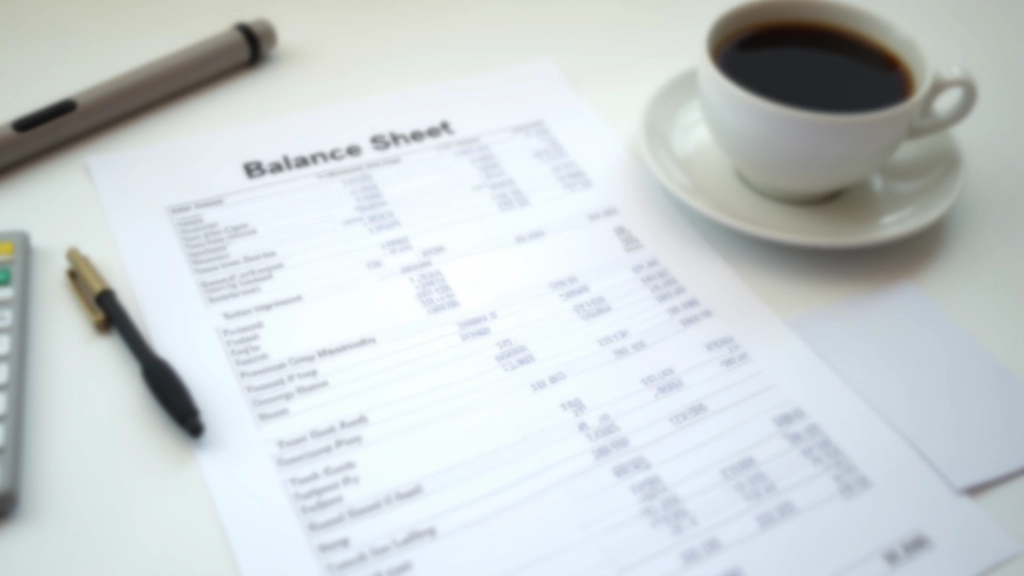
If you’ve ever looked at a balance sheet and felt completely lost, you’re not alone. They look intimidating with all those numbers and accounting jargon. But here’s the truth — it’s actually pretty straightforward once you know what you’re looking at.
A balance sheet is just a financial snapshot. It tells you what a business owns, what it owes, and what’s left over. That’s it. Three sections, one equation, and suddenly the whole thing makes sense.
Assets = Liabilities + Equity
Everything you see on a balance sheet comes back to this one formula. Master it, and you’ve got the foundation.
Assets are everything the business owns or controls. Cash in the bank, inventory on shelves, equipment in the warehouse, even intellectual property — it’s all an asset.
There are two types you’ll see on every balance sheet:
You’ll typically see current assets listed first because they’re easier to work with. A healthy business has enough current assets to cover its short-term obligations.


Liabilities are what the business owes to others. Loans from banks, money owed to suppliers, salaries payable to employees, taxes owed to the government. If it’s an obligation, it’s a liability.
Like assets, liabilities split into two categories:
The key insight? Compare your current liabilities to your current assets. If assets exceed liabilities, you’re in good shape. If not, you might have a cash flow problem brewing.
Equity is what’s left when you subtract liabilities from assets. It’s the owner’s claim on the business — the part that actually belongs to the people who invested in it.
Equity includes:
Growing equity is what you’re really after. It means the business is building value. If equity shrinks year after year, something’s wrong.

Balance sheets are snapshots at specific moments. Make sure you’re looking at the right period — end of quarter, end of year, or whenever it was prepared. Comparing sheets from different dates tells you how things have changed.
Start with the big picture. What’s the total? Is it growing year over year? A growing asset base usually signals business expansion. A shrinking base might indicate problems. Then look at the breakdown — are most assets in inventory, cash, or equipment? That tells you where the business has invested its resources.
Look at both current and non-current liabilities. Is debt increasing or decreasing? Are current liabilities manageable relative to current assets? A business drowning in debt will show very high liabilities compared to assets — that’s a red flag.
Verify the equation. Assets should equal Liabilities plus Equity. If they don’t, something’s wrong — either a typo or an accounting error. This simple check catches a lot of mistakes.
Numbers by themselves don’t tell the whole story. These ratios help you understand what the numbers actually mean:
Current Assets Current Liabilities
Shows whether you have enough short-term assets to cover short-term obligations. A ratio of 1.5 or higher is generally healthy.
Total Liabilities Total Equity
Shows the balance between borrowed money and owner’s investment. Lower is better — it means less financial risk.
Current Assets – Current Liabilities
The cushion of liquid assets available for day-to-day operations. Positive working capital means the business can pay its bills.
Reading a balance sheet gets easier with practice. Here’s what’ll help:

Balance sheets aren’t mysterious once you understand the three core sections. Assets show what the business owns. Liabilities show what it owes. Equity shows what’s left for the owners. That’s the foundation.
Start with the basics. Understand that equation. Look at the trends over time. Calculate a few simple ratios. You’ll be surprised how much insight you can pull from a balance sheet once you know what you’re looking at.
The more you practice, the faster it gets. Soon you’ll scan a balance sheet and immediately spot what’s important and what’s not.
This article provides educational information about reading balance sheets. It’s not financial advice or professional accounting guidance. Balance sheet interpretation can vary based on industry, accounting standards, and specific business circumstances. For investment decisions, financial analysis, or business management guidance, consult with a qualified accountant, financial advisor, or business professional who understands your specific situation.